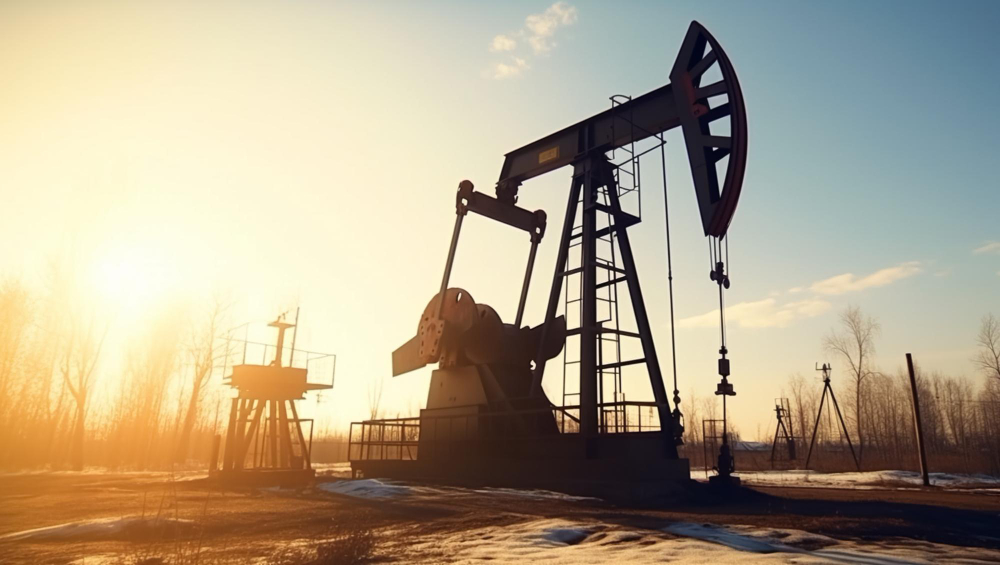
Oil mining is an inherently complex operation, prone to various risks that may affect production, safety, and financial stability. In this discussion, we take a look at why oil mine insurance is important on the journey to keeping a step ahead regarding unforeseen challenges. From property damage and environmental liabilities to business interruption and third-party claims, adequate insurance coverage is the foretold backbone for mitigating risks and ensuring the safe sailing of oil mining operations in the long term.
Understanding Oil Mine Insurance:
Oil mine insurance covers a large number of coverage options that are specifically provided to protect the oil mining company from many different risks it may face during operation. These may include:
1. Protection for Property: Protection from the finance property damage or loss against oil mining infrastructure, including drilling rigs, pipelines, storage tanks, and processing facilities.
2. Environmental Liabilities: Liabilities related to damage to the environment due to pollution and contamination incidents from the firm’s end, including the cleaning of the environment, regulatory fines, and legal expenses.
3. Business Interruption Coverage: This will provide compensation on financial loss due to loss of income or extra cost incurred and lost due to the interruption of oil production from the cause.
4. Third-Party Insurance: Any third-party liability that is aimed at bodily injury, property destruction, or economic loss filed by third parties like neighboring property owners, communities, environmental groups, or oil mining operations.
5. Directors and Officer (D&O) Liability Insurance: This offers protection to company executives and directors against legal claims that may be filed on the aegis of mismanagement, negligence, or a breach of fiduciary duty in overseeing oil mining operations.
UNDERSTANDING OIL MINE INSURANCE
Underwriting the Risk of Oil Mining Operations:
Oil mining operations come with a very large number of risk factors that many insurers consider when looking into insurance coverage assessment for them. This may include:
1. Geographic Location: The geographical location of oil mining sites influences the susceptibility to natural hazards such as hurricanes, earthquakes, floods, or geological instability, which can pose significant risks to infrastructure and operations.
2. Operational Scale and Complexity: The scale and complexity of oil mining operations, including the depth of drilling, extraction techniques, and transportation logistics, determine the level of risk and, consequently, insurance coverage. Large-scale projects or unconventional extraction methods could make the insurance rates higher because of a high level of associated risks.
3. Regulatory Compliance: Compliance with the environmental regulations in relation to occupational safety and industry best practices is crucial for the reduction of operational risk and retention of insurability. Deviation from the regulatory requirements can result in penalties, legal liabilities, and problems associated with insurance policies.
4. Technological Advances and Innovation: Advances in oil mining technologies, such as hydraulic fracturing (fracking) and horizontal drilling, or methods for enhanced oil recovery, create new risks and uncertainties that insurance underwriters should understand and address in the policies.
5. Market Conditions: Fluctuations in oil prices, supply-demand dynamics, geopolitical tensions, and other forms of macroeconomic factors can impact the financial viability of oil mining operations and, in turn, have an impact on insurance pricing and availability.
Regulatory Compliance:
The operations of companies extracting oil are regulated by a very deeded statutory environment on safety, environmental protection, and operational standards. Compliance with regard to these standards is welcome in the acquisition and retention of insurance. Environmental regulation will touch on:
1. Environmental Regulations: Environmental and hazardous waste-related laws and regulations, such as the Clean Water Act, Clean Air Act, the Resource Conservation and Recovery Act (RCRA), and Oil Pollution Act (OPA), place requirements that a company needs to attain to minimize the risk of environmental liabilities and assure insurability.
2. Health and Safety Standards: Meeting the requirements of occupational health and safety standards in the form of ‘Occupational Safety and Health Administration’ or other industry-specific standards is a critical stipulation to prevent accidents, injuries, and claims on the part of the workforce.
3. Permits and Licenses: Before oil mining starts, assurances obtained from relevant regulatory bodies for permit licenses and approvals are a requirement, and that shall be sufficient for insurance coverage and operational continuation.
4. Risk Management and Contingency Planning: Ensure the implementation of better means of managing risks, emergency responses, and contingency measures in the case of operations. Along these lines, there is an associated security risk and insurers of these companies.

Emerging Trends and Innovations
The oil mining industry is replete with pioneering advancements and innovations geared toward the achievement of operational efficiencies, sustainability, and risk management. Some of the pioneering trends and innovations that are defining the landscape of oil mine insurance include:
1. Sustainability Initiatives: Reducing carbon footprints and transiting to renewable energy sources seems to be the mantra these days. These sustainability initiatives are aimed at aligning with environmental regulations and are also cost-saving, as, among other things, insurers can reduce premiums for such progressive companies that take such initiatives.
2. Parametric insurance solutions: Parametric insurance is a format that makes payments based on the size of an event, without the need to adjust the loss, meaning this strategy is an innovative way of transferring risks for oil mining companies that have particular risks and uncertainties.
3. Data analytics and predictive modeling: The use of data analytics, AI, and predictive modeling allows the insurer to better understand risk profiles, design better solutions, and price them accordingly based on on-the-ground data.
4. Cyber Risk Management: The advancement in digitization and interconnection systems in oil mining operations raises the challenge of cybersecurity for both data breaches and ransomware attacks, disrupting administrative and other operations. New trends in cyber risk insurance address these growing perils to provide complete cyber-liability coverage.
The importance of oil mining insurance will be in providing resilience and sustainability of oil mining through financial protection against various risks and liabilities associated with their operations. Oil mining insurance policies help stakeholders strategize on the appropriate considerations, such as coverage options, risk features, regulatory compliance, and emerging trends, to effectively manage the risks, protect the assets, and ensure the operations are viable in the long run. This is why oil mining companies are likely to operate with a lot of confidence and resilience when a risk management strategy is adhered to and knowledgeable insurance partners are put in place, ensuring strong compliance with regulatory requirements.





Comments are closed.