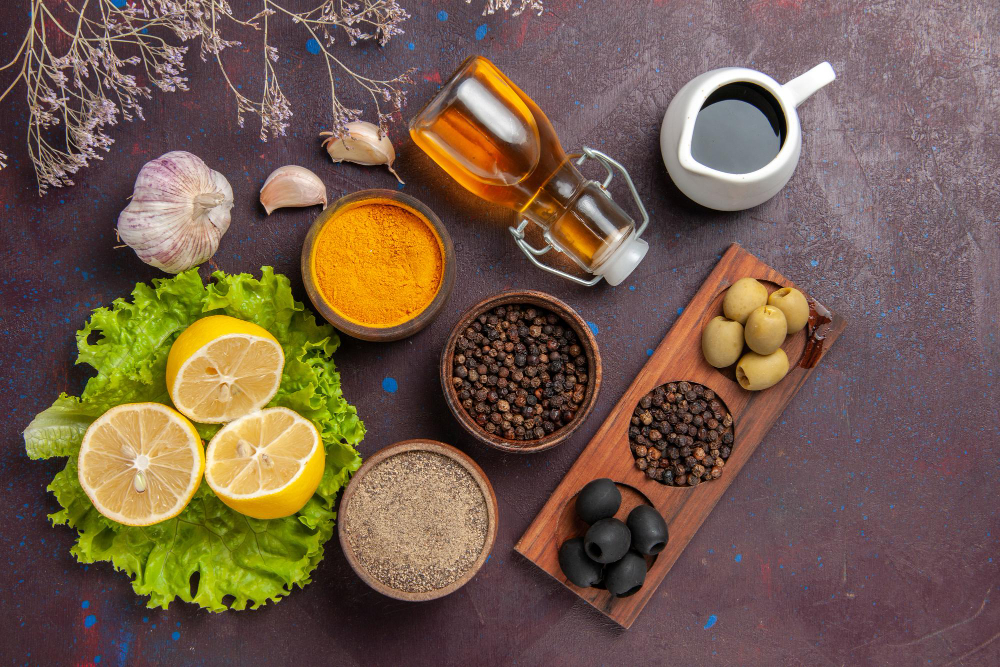
Health and well-being issues, among them seeking natural remedies, never seem to fall completely out of favor. Standing among them, though, is one area in which natural solution shines bright: fighting infections. Of course, conventional antibiotics have their place in a health arsenal. Their natural counterparts, however, provide much gentler, often side-effect-free ways to boost our immune defenses. Below, we shall discuss 10 powerful all-natural antibiotics that have passed the ultimate litmus test one of time. That will include the active compounds, uses, and dosages to incorporate them effectively into your health regime.
Here are the 6 Powerful Natural Antibiotics to Help Fight Infection
1. Garlic: Revered across cultures for its culinary and medicinal properties, stands out as a powerhouse of natural antibiotics. Its active compound, allicin, gives it potent antimicrobial, antiviral, and antifungal properties, making it a versatile tool in combating infections.
Benefits of Garlic:
Antibacterial Action: Allicin effectively targets a wide range of bacteria, including antibiotic-resistant strains like MRSA (Methicillin-resistant Staphylococcus aureus).
Antiviral Properties: Garlic has been studied for its ability to inhibit the growth of viruses, potentially aiding in the management of viral infections such as the common cold and flu.
Antifungal Abilities: It can help combat fungal infections, including yeast infections like candida.
Boosts Immune Function: Garlic supports overall immune health, enhancing the body’s natural defenses against infections.
How to Use Garlic:
Raw Consumption: To harness the full benefits of allicin, crush or chop garlic cloves and let them sit for 10-15 minutes before consuming. This allows enzymatic processes to activate allicin, maximizing its potency.
- Cooking: Incorporate garlic generously into your meals. Cooking does reduce the allicin content, but garlic still retains its other beneficial compounds and flavors.
- Garlic Supplements: If raw garlic is too pungent or inconvenient, garlic supplements are available in various forms, including capsules and aged garlic extracts. Follow dosage instructions carefully.
2. Honey: Honey, revered for centuries not only as a natural sweetener but also as a potent medicinal agent, boasts remarkable antimicrobial properties. From wound healing to soothing sore throats, honey’s diverse uses stem from its rich composition of enzymes, antioxidants, and other bioactive compounds.
Active Compounds in Honey:
Hydrogen Peroxide: Found in varying concentrations in different types of honey, hydrogen peroxide contributes to honey’s antibacterial properties.
Phenolic Compounds: Including flavonoids and polyphenols, these antioxidants enhance honey’s therapeutic effects and help combat oxidative stress.
Benefits of Honey:
Antibacterial and Antimicrobial: Honey exhibits broad-spectrum antibacterial activity against both Gram-positive and Gram-negative bacteria, including antibiotic-resistant strains like MRSA.
Wound Healing: Its natural ability to create a protective barrier and maintain a moist wound environment promotes faster healing and reduces infection risk.
Cough Suppressant: Honey’s soothing properties can alleviate coughs and throat irritation, making it a popular remedy for respiratory infections.
Immune Support: Regular consumption of honey may help support immune function due to its antioxidant content and antibacterial effects.
How to Use Honey:
Topical Application: Cleanse the affected area, then apply a thin layer of raw, unprocessed honey directly onto wounds or burns. Cover with a sterile bandage if needed. Change the dressing regularly.
Oral Consumption: Enjoy honey straight from the spoon to soothe a sore throat or mix it into warm tea or water. Use raw honey for maximum benefits, avoiding heat which can degrade its enzymes and other beneficial components.
Types of Honey:
Raw Honey: Unprocessed and unheated, raw honey retains all its natural enzymes and antioxidants.
Manuka Honey: Originating from New Zealand’s Manuka tree flowers, this honey is renowned for its potent antibacterial properties due to high levels of methylglyoxal (MGO).
3. Ginger: Ginger, celebrated for its spicy aroma and culinary versatility, also boasts impressive medicinal properties that make it a potent natural antibiotic. Packed with bioactive compounds like gingerol, shogaol, and zingerone, ginger has been used for centuries in traditional medicine to treat a variety of ailments, including infections.
Active Compounds in Ginger:
Gingerol: Known for its powerful anti-inflammatory and antioxidant effects, gingerol is also recognized for its antimicrobial properties.
Shogaol and Zingerone: These compounds contribute to ginger’s overall medicinal benefits, providing additional antioxidant and anti-inflammatory support.
Benefits of Ginger:
Antibacterial Action: Ginger exhibits antibacterial activity against various pathogens, including respiratory and digestive system infections.
Anti-inflammatory Effects: Helps reduce inflammation, which can aid in healing and alleviating symptoms of infections.
Digestive Health: Ginger promotes digestion and can alleviate nausea, making it beneficial for gastrointestinal infections.
Immune Support: Its antioxidant properties support immune function, potentially reducing the severity and duration of infections.
How to Use Ginger:
Fresh Ginger: Peel and slice fresh ginger root, then steep in hot water to make ginger tea. Drink several times a day to reap its benefits.
Ginger Powder: Use ginger powder in cooking, baking, or sprinkle it over dishes and beverages for added flavor and health benefits.
Ginger Supplements: Available in capsules or tablets, ginger supplements provide a convenient way to incorporate ginger into your daily routine. Follow dosage instructions on the product label.
4. Turmeric: Turmeric, known for its vibrant golden hue and distinctive flavor, has earned a well-deserved reputation as a powerful natural antibiotic. Central to its medicinal properties is curcumin, the primary bioactive compound responsible for turmeric’s impressive health benefits.
Active Compound in Turmeric:
Curcumin: Renowned for its potent antioxidant, anti-inflammatory, and antimicrobial properties, curcumin is the key component that makes turmeric a versatile healer.
Benefits of Turmeric:
Antibacterial and Antimicrobial: Curcumin exhibits broad-spectrum antimicrobial activity, effective against various bacteria, viruses, and fungi.
Anti-inflammatory Effects: Helps reduce inflammation, which is often associated with infections and chronic diseases.
Antioxidant Properties: Protects cells from oxidative stress and supports overall immune function.
Digestive Health: Turmeric aids digestion and can alleviate symptoms of gastrointestinal infections.
How to Use Turmeric:
Golden Milk: Make a soothing golden milk by mixing turmeric powder with warm milk (dairy or plant-based). Add a pinch of black pepper to enhance absorption of curcumin.
Curries and Soups: Use turmeric powder generously in cooking to flavor curries, soups, stews, and rice dishes.
Turmeric Tea: Steep turmeric slices or powder in hot water to make a healing turmeric tea. Add honey and lemon for extra flavor and health benefits.
Turmeric Supplements: Consider turmeric supplements in capsule form for a more concentrated dose of curcumin, especially for therapeutic purposes. Follow dosage instructions on the product label.

5. Echinacea:
Echinacea, a flowering plant native to North America, has long been celebrated for its immune-boosting properties and role in natural medicine. This herbaceous plant, also known as purple coneflower, contains several bioactive compounds that contribute to its medicinal benefits.
Active Compounds in Echinacea:
Alkamides: These compounds are believed to support the immune system by stimulating immune cells.
Polysaccharides: Known for their antioxidant and immune-modulating effects, polysaccharides in echinacea contribute to its therapeutic properties.
Benefits of Echinacea:
Immune Support: Echinacea is widely used to prevent and shorten the duration of the common cold and flu symptoms by enhancing the body’s immune response.
Antibacterial and Antiviral: It exhibits antimicrobial activity against various pathogens, including respiratory viruses and bacteria.
Anti-inflammatory Effects: Echinacea helps reduce inflammation, which can aid in healing and alleviate symptoms of infections.
Wound Healing: Applied topically, echinacea can promote the healing of minor wounds and skin infections.
How to Use Echinacea:
Echinacea Tea: Brew echinacea tea by steeping dried echinacea leaves or roots in hot water for 10-15 minutes. Drink up to three times daily during infections or as a preventive measure.
Echinacea Tincture: Take echinacea tincture as directed on the product label, usually diluted in water. Tinctures provide a concentrated form of echinacea’s active compounds.
Echinacea Supplements: Capsules and tablets are available for those who prefer a convenient and standardized dosage of echinacea. Follow dosage instructions provided by the manufacturer.
6 Oregano Oil: Oregano oil, derived from the leaves and flowers of the oregano plant (Origanum vulgare), is renowned for its strong antimicrobial properties. This essential oil contains several bioactive compounds, most notably carvacrol and thymol, which contribute to its potent therapeutic effects.
Active Compounds in Oregano Oil:
Carvacrol: Known for its powerful antimicrobial activity against bacteria, viruses, and fungi. It is one of the main active ingredients responsible for oregano oil’s effectiveness.
Thymol: Another antimicrobial compound found in oregano oil, thymol enhances its antibacterial and antifungal properties.
Benefits of Oregano Oil:
Antibacterial Action: Oregano oil is effective against a wide range of bacteria, including antibiotic-resistant strains such as MRSA (Methicillin-resistant Staphylococcus aureus).
Antiviral Effects: It can help combat viral infections by inhibiting viral replication.
Antifungal Properties: Oregano oil is effective against various fungi, making it useful for treating fungal infections like candida.
Immune Support: By combating pathogens, oregano oil supports overall immune function and helps the body fight infections.
How to Use Oregano Oil:
Topical Application: Dilute oregano oil with a carrier oil (such as coconut oil or olive oil) before applying to the skin. Use it to treat fungal infections, acne, or as a natural hand sanitizer.
Oral Consumption: Take oregano oil capsules or drops orally, following the dosage instructions provided on the product label. This can help combat internal infections and support immune health.
Steam Inhalation: Add a few drops of oregano oil to hot water and inhale the steam to help alleviate respiratory infections and congestion.






Comments are closed.